Dirt, Dollars, and Disruption: How Santa Maria Valley Farmers Are Building the Next Generation of Agribusiness
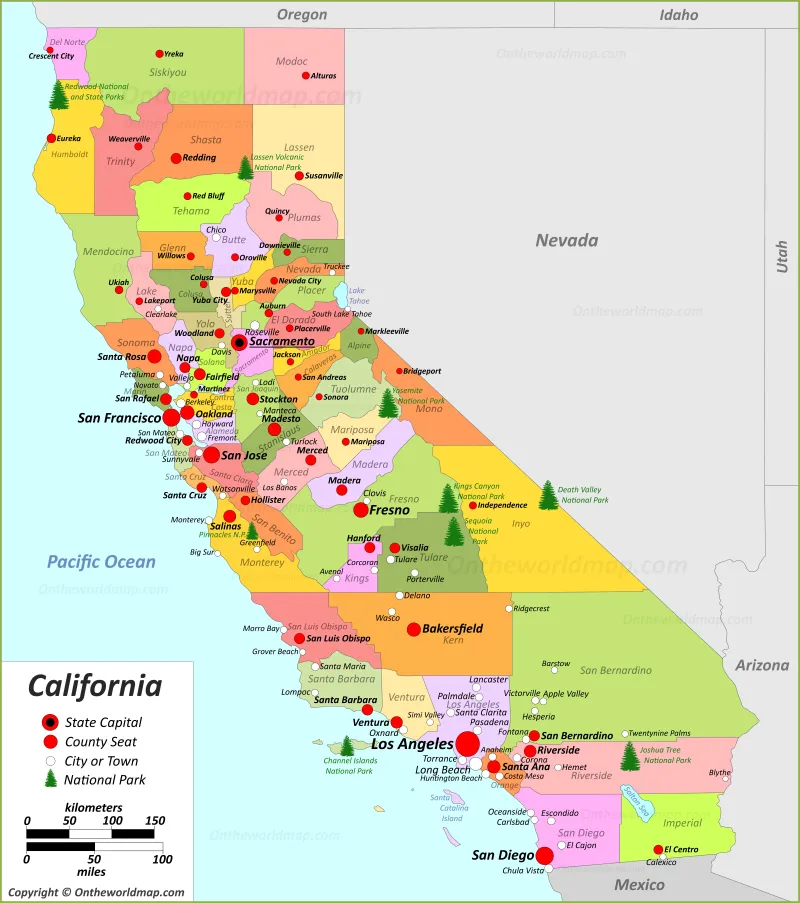
Photo: California strawberry farm sustainable agriculture direct to consumer, via ontheworldmap.com
If you've driven along Betteravia Road or taken a slow cruise through the Guadalupe corridor lately, you already know that Santa Maria's agricultural landscape is something special. Rows of strawberries, broccoli, and wine grapes stretch toward the coastal foothills in every direction — a living postcard that's been part of this valley's identity for well over a hundred years.
But look a little closer, and you'll notice something new happening out there. Farmers are installing drip irrigation systems powered by solar panels. A third-generation strawberry grower is launching a subscription box service. A small family ranch is now bottling its own line of specialty hot sauces and selling them on Instagram. Santa Maria's agricultural community isn't just farming anymore — it's innovating.
And for chamber members, local business owners, and anyone paying attention to the valley's economic pulse, that shift represents a significant opportunity.
The Legacy That Makes It Possible
Santa Maria has long been one of California's most productive agricultural regions. The combination of the marine layer, fertile alluvial soils, and a Mediterranean-style climate creates growing conditions that are genuinely hard to replicate anywhere else. That's not marketing copy — it's why the region produces a disproportionate share of the nation's strawberries, leafy greens, and wine grapes year after year.
For most of the 20th century, the dominant business model was straightforward: grow the crop, sell it to a packer or distributor, and repeat. Margins were thin, volume was king, and the farmer rarely had much say in what happened to their product after it left the field.
That model still exists — and it still feeds a lot of families, both literally and economically. But a growing number of local agricultural entrepreneurs are asking a different question: what happens if we stay closer to the product a little longer?
Value-Added Products: The New Frontier
One of the most significant trends reshaping Santa Maria agribusiness is the rise of value-added product development. Instead of selling raw commodities, farmers are processing, packaging, and branding their harvests into finished goods that command higher margins and build direct relationships with consumers.
Think locally produced strawberry preserves, small-batch wine labels coming out of the Santa Maria Valley AVA, cold-pressed vegetable juices, and even freeze-dried produce marketed to outdoor enthusiasts and health-conscious shoppers. These aren't hypothetical business concepts — versions of all of them are already operating in and around the valley.
The economics are compelling. A flat of strawberries sold at commodity rates might net a grower a few dollars. That same flat, transformed into artisan jam, retail-packaged and sold at a farmers market or through an e-commerce storefront, can generate three to five times the revenue. The labor and processing costs are real, but so is the upside.
Local small business development resources — including those connected to the Santa Maria chamber network — have noted a steady uptick in agricultural entrepreneurs seeking guidance on licensing, food safety compliance, and retail distribution. The appetite is clearly there.
Direct-to-Consumer Models Are Gaining Ground
Alongside value-added products, direct-to-consumer (DTC) channels are giving Santa Maria farmers a way to bypass traditional distribution bottlenecks and connect straight with the people eating their food.
Community Supported Agriculture (CSA) programs, where subscribers pay upfront for weekly or bi-weekly produce boxes, have grown in popularity across the Central Coast. Local farmers markets — including the long-running Santa Maria Certified Farmers Market — continue to serve as proving grounds for new products and brand-building. And increasingly, social media platforms are functioning as genuine sales channels, with farms building loyal followings and processing orders directly through Instagram and Facebook.
For chamber members in adjacent industries — packaging suppliers, graphic designers, web developers, food safety consultants — this DTC wave isn't just a farming story. It's a pipeline of new small business clients who need exactly the kinds of services that local professionals provide.
Sustainability as a Business Strategy
It would be easy to dismiss sustainability talk as feel-good messaging. But in Santa Maria's agricultural sector, sustainable practices are increasingly being adopted for straightforward business reasons: they reduce input costs, open access to premium markets, and help farms comply with evolving state regulations.
Water efficiency is a big one. California's ongoing water challenges have pushed many local growers to invest in precision irrigation technology that delivers water directly to root zones, dramatically reducing waste. Soil health programs — cover cropping, reduced tillage, composting — are extending the productive life of farmland while lowering dependency on synthetic inputs.
Several Santa Maria-area operations have pursued organic certification or Certified Naturally Grown status, which opens doors to specialty grocery chains, restaurant partnerships, and export markets that are simply unavailable to conventional producers. It's a longer road to certification, but the market access can justify the investment.
What This Means for the Broader Business Community
Here's the part that doesn't always make it into the conversation about agricultural innovation: when farms do well, the ripple effects are wide.
A thriving agribusiness sector supports jobs in logistics, equipment maintenance, food processing, marketing, and retail. It draws food tourism — visitors who come specifically to experience Santa Maria's wine country, farm-fresh dining, and agricultural heritage. It strengthens the tax base and keeps commercial real estate active in areas that might otherwise stagnate.
For chamber members across all industries, a growing and diversifying agricultural economy is good news. The valley's identity is inseparable from its farming heritage, and that heritage is increasingly becoming a competitive economic asset rather than just a historical footnote.
Getting Involved
If you're a local business owner interested in connecting with the agricultural innovation happening in and around Santa Maria, there are real entry points. Reach out to the Santa Maria Valley Chamber of Commerce about networking events that bring together agribusiness entrepreneurs and service providers. Attend the farmers market not just as a shopper but as a potential collaborator. Follow local agricultural organizations and co-ops on social media to stay current on what's growing — figuratively and literally.
The fields outside of town have been producing for over a century. The businesses being built on top of that legacy are just getting started.