Trading the Fast Lane for the Long Game: Why Founders Are Choosing Santa Maria Over the Startup Grind
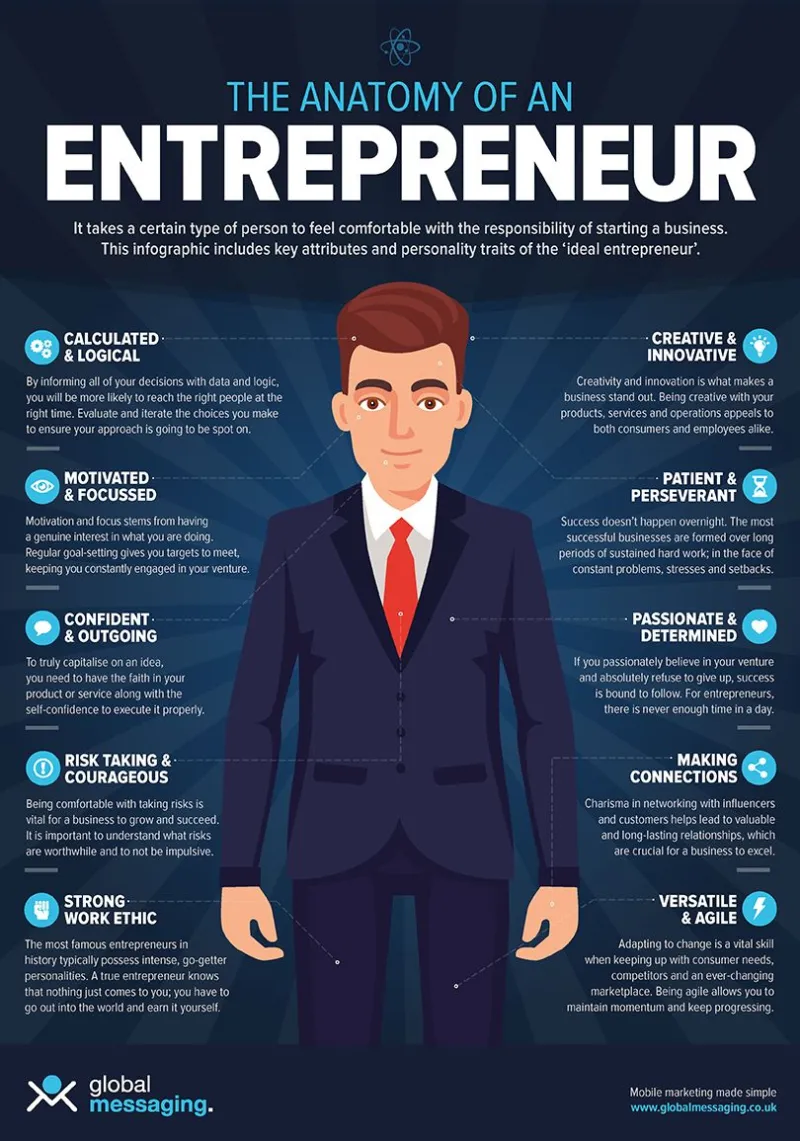
Photo: entrepreneur working laptop outdoor California small town relaxed lifestyle, via i.pinimg.com
Somewhere between the third pivot and the fourth all-hands meeting about "company culture," Priya Nambiar decided she was done. She'd spent seven years in the Bay Area building a SaaS product, raising two rounds of funding, and watching her team churn faster than her user base grew. When she finally stepped away, she didn't go looking for the next opportunity in San Francisco or Los Angeles. She went looking for something different entirely.
She landed in Santa Maria.
"People thought I was having some kind of breakdown," she laughs now, sitting in the small office she rents near the downtown corridor. "But I'd done the math. I could run a profitable, sustainable business here for what it cost me to keep the lights on in SoMa. And I could actually have a life."
Nambiar isn't alone. Across the Santa Maria Valley, a quiet but unmistakable shift is underway. The founders and operators arriving here aren't chasing explosive growth or a quick exit. They're chasing something harder to quantify — and increasingly harder to find in California's major metros.
What Burnout Culture Actually Costs
The mythology of the startup grind has taken some serious hits over the past few years. High-profile implosions, mass layoffs at companies once celebrated as unicorns, and a broader cultural reckoning with what relentless "hustle" actually does to people have pushed a segment of the entrepreneurial world to reassess what they're building and why.
For some, that reassessment has meant leaving tech entirely. For others, it's meant rethinking where they build — and on what terms.
Santa Maria, with its agricultural roots, mid-size community feel, and cost structure that looks almost quaint compared to the Bay Area or Los Angeles, has started attracting the latter group. These are people with real skills and real track records who've simply decided that optimizing for speed and scale isn't the only valid way to run a business.
"There's a growing cohort of operators who've been around long enough to know that growth for its own sake is a trap," says David Ochoa, who runs a small business advisory firm in the valley and has watched the demographic of new business registrations shift noticeably over the past three years. "They want margin. They want quality of life. They want a business that doesn't require them to be on call at 11 p.m. Santa Maria, honestly, checks a lot of those boxes."
The Economics Make a Compelling Case
Let's talk numbers for a second, because the financial argument for Santa Maria is hard to ignore.
Commercial real estate here runs a fraction of what comparable space costs in Santa Barbara, let alone the Bay Area. A modest office or light industrial space that might run $6,000 a month in San Jose can often be secured here for well under $2,000. Housing costs, while no longer as low as they were a decade ago, still offer a meaningful lifestyle upgrade for anyone relocating from a major metro.
For entrepreneurs running lean, bootstrapped operations — the kind who've specifically chosen not to raise outside capital so they can maintain control and build on their own timeline — that cost differential is transformative. It means reaching profitability faster, taking less personal financial risk, and having the breathing room to make decisions based on long-term thinking rather than runway anxiety.
Nambiar's current venture, a boutique data consulting firm serving mid-sized agricultural and food industry clients, reached profitability in its first year. She's candid about what made that possible.
"My burn rate here is so much lower than it would have been anywhere else. I didn't need outside money. I didn't need a board. I just needed clients and a decent internet connection."
The Community Factor Is Bigger Than It Sounds
There's something else drawing this new cohort to Santa Maria that doesn't show up in a spreadsheet: the way the business community here actually functions.
In a large metro, the entrepreneurial ecosystem is vast but often impersonal. You can attend a hundred networking events and still feel like a stranger. In Santa Maria, the Chamber of Commerce, local industry groups, and informal business networks operate on a different scale. Relationships form quickly. Referrals flow through genuine trust rather than LinkedIn algorithms. When you need an introduction, you can usually get one through one or two degrees of connection rather than five.
For founders who spent years in environments where relationships felt transactional and networking felt performative, this is a genuine relief.
Tom Hargrove, who relocated from Austin two years ago to launch a specialty food distribution business, describes his first six months in Santa Maria as unexpectedly easy.
"I thought I'd have to grind for two years just to get people to take my calls," he says. "Instead, I joined the Chamber, went to a few events, had some real conversations, and found myself with three solid business relationships within the first couple of months. That just doesn't happen in a bigger market."
What They're Building — And How
The businesses this new wave of entrepreneurs is launching in Santa Maria tend to share a few characteristics. They're often service-based or product businesses with direct ties to the region's agricultural and food economy. They're frequently bootstrapped or lightly funded. And they're almost universally built around sustainable margins rather than growth-at-all-costs metrics.
That's not a coincidence. The valley's economic identity — rooted in farming, food production, and the practical rhythms of an agricultural calendar — attracts a certain kind of operator. One who thinks in seasons, not quarters. One who values consistency and durability over viral moments.
"I joke that Santa Maria cured me of my obsession with growth hacking," says Nambiar. "Out here, the businesses that last are the ones that are genuinely useful to the people around them. That's a pretty good model, actually."
Slower Doesn't Mean Smaller
It's worth being clear about what this trend isn't. The entrepreneurs choosing Santa Maria aren't giving up on ambition. They're redefining it.
Several of the founders who've landed here in recent years are running businesses that, by any traditional measure, are performing well. Revenue is growing. Teams are being hired. Customers are being served. The difference is that the growth is deliberate, the ownership structure is clean, and the founders are still recognizably themselves at the end of the workweek.
"I think the valley is going to see more of this," says Ochoa. "As more people figure out that you can build something real and profitable without destroying yourself in the process, places like Santa Maria start to look less like a retreat and more like a smart strategic choice."
For a business community that's spent decades proving its own resilience and practicality, that kind of reputation might be the most valuable thing the valley has ever grown.