Closer to Home, Closer to the Customer: How Santa Maria Businesses Are Rewiring Their Supply Chains

Photo: regional supply chain warehouse distribution California small business, via pictures.abebooks.com
If the past few years taught Santa Maria business owners anything, it's that a supply chain stretching from a warehouse in New Jersey or a port in Shanghai is only as strong as its weakest link — and there are a lot of links. Delayed shipments, empty shelves, and unpredictable freight costs turned what used to be a background logistics concern into a front-burner crisis for businesses up and down Broadway and out into the ag fields of the Valley.
The response? A quiet but significant pivot toward regional sourcing. Businesses that once defaulted to national distributors are now knocking on doors in Ventura County, the Central Valley, and even right here in Santa Maria to build supplier relationships that are faster, more flexible, and — maybe most importantly — a lot more personal.
Why "Regional" Is the New "Reliable"
The appeal of a regional supply network isn't just about patriotism or feel-good localism. It's math. Shorter distances mean lower freight costs, fewer handoffs, and faster turnaround. When a restaurant on Main Street can source its produce from a farm fifteen miles away instead of a distribution center four states over, the savings on shipping alone can be meaningful — but the real win is lead time.
For retail and food service businesses in particular, cutting delivery time from five or seven days down to one or two isn't just a convenience. It's a competitive advantage. Fresher product, less spoilage, and the ability to respond quickly to demand shifts — especially during peak seasons or local events — can genuinely change the margin picture.
Several Santa Maria-area business owners have described their regional sourcing shift as one of the most impactful operational changes they've made in the last few years. The transition isn't always seamless — regional suppliers sometimes have smaller inventories or less standardized processes than the big national players — but the tradeoffs have generally been worth it.
Building the Network: It Starts With a Conversation
One of the most consistent themes among businesses that have successfully localized their supply operations is that it started with a conversation, not a contract. Reaching out to neighboring farms, connecting at Chamber events, or simply asking a current supplier "do you know anyone in the region who handles this?" opened doors that a Google search never would have.
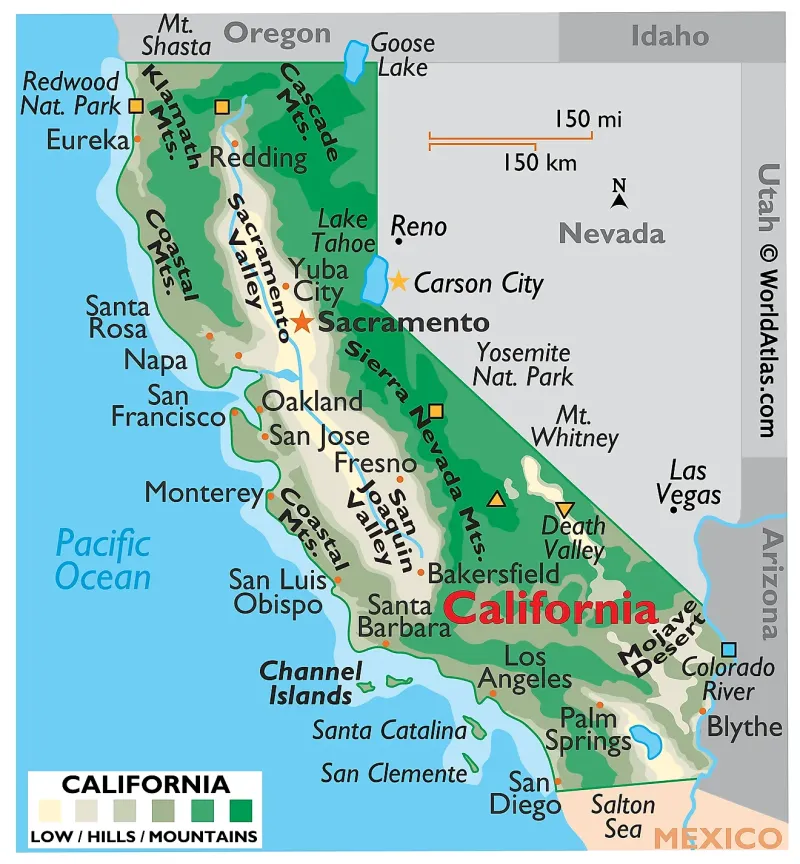
The Santa Maria Valley is particularly well-positioned for this kind of regional network-building. The area sits at a geographic crossroads between Los Angeles, the Bay Area, and the broader Central Coast, which means there's a dense cluster of agricultural producers, light manufacturers, and specialty distributors within a two- to three-hour radius. Businesses that have taken the time to map out that landscape are finding options they didn't know existed.
Agricultural businesses have been especially active in this space. With deep roots in the Valley's farming economy, many ag-adjacent suppliers already operate on a regional model — it's how farming has always worked. The newer development is that businesses outside of agriculture, from contractors to specialty food retailers to event supply companies, are starting to adopt the same mindset.
Resilience Is the Quiet Benefit Nobody Talks About
Ask a business owner why they shifted to regional sourcing and they'll usually lead with cost savings or speed. But spend a little more time in the conversation and another benefit surfaces: resilience.
When a national distributor goes through a labor dispute, a weather event shuts down a major port, or a supplier halfway across the country simply runs out of stock, a business relying entirely on that channel is stuck. A business with a regional network has options. Maybe not identical options, but alternatives that can keep operations moving while the larger disruption sorts itself out.
This isn't theoretical. Santa Maria businesses that had already started building regional relationships before recent supply disruptions hit reported significantly less operational chaos than those still entirely dependent on national chains. The ones who scrambled to find local alternatives in a crisis ended up building relationships that stuck — because they worked.
The Community Side Effect Nobody Expected
Here's the part that doesn't usually show up in a supply chain analysis: when you start sourcing regionally, you become part of a community of businesses that are interconnected in a new way. A restaurateur who now buys directly from a Valley farm isn't just a customer — they're a partner. They talk about each other. They refer customers. They show up at the same Chamber mixers and actually have something to talk about.
Several business owners have noted that their regional supplier relationships have evolved into something that looks a lot like a mutual support network. When a local farm had a difficult harvest season, its restaurant partners worked with them on pricing rather than jumping ship to a cheaper out-of-area option. When a regional distributor expanded its product line, it reached out first to its local business partners before going to market broadly.
That kind of relationship is almost impossible to build with a national distribution platform. And it creates a stickiness — on both sides — that's hard to put a dollar value on but very real.
What It Takes to Make the Shift
For businesses thinking about moving in this direction, the honest answer is that it takes some upfront effort. You need to do the research to identify regional alternatives, and you may need to be patient while smaller suppliers scale to meet your needs. Pricing isn't always immediately better — some regional options cost more per unit than bulk national alternatives, at least initially.
But the businesses that have made the transition consistently say the same thing: start small, build one relationship at a time, and don't wait for a crisis to force your hand. Identify one product category or one type of service where you're currently dependent on a distant supplier and ask the question — is there someone closer to home who can do this?
The Santa Maria Chamber of Commerce has been an active connector in this space, helping members identify regional business partners and facilitating introductions that have led to real supply agreements. If you're not tapping into that resource, you're leaving something on the table.
The Valley's Advantage Is There for the Taking
Santa Maria has always had a strong identity as a place where business is personal. The regional supply chain movement is, in a lot of ways, an extension of that identity into the operational side of running a company. It's a recognition that the Valley's geographic and economic assets — the farms, the manufacturers, the distributors, the service providers — are worth investing in, not just as a feel-good gesture, but as a genuine business strategy.
The businesses that are figuring this out now are building something that will serve them well for years to come. The ones that wait until the next supply chain crisis hits will be playing catch-up again. The choice, as always, is yours to make.