Rooted in the Valley: How Santa Maria Businesses Are Beating Amazon at Its Own Game
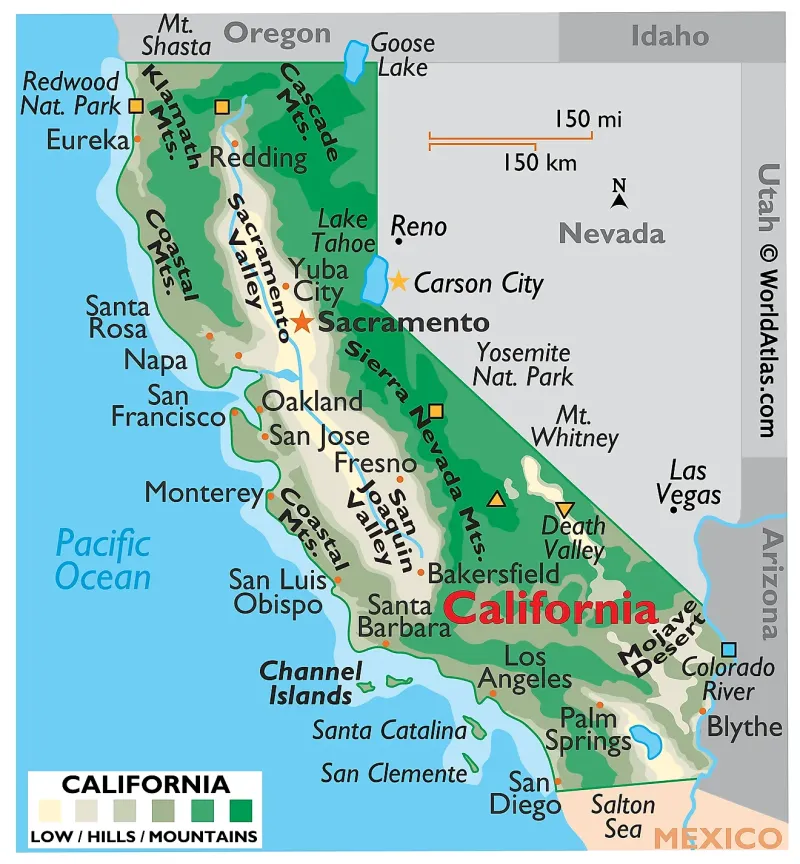
Photo: California Central Valley farm to market local business supply chain, via www.worldatlas.com
It's easy to feel like the deck is stacked against a small business owner these days. Two-day shipping, endless inventory, rock-bottom prices — the online retail machine can seem unstoppable. But spend a little time talking to entrepreneurs in Santa Maria, and a different story starts to emerge. One where location isn't a liability. It's the whole point.
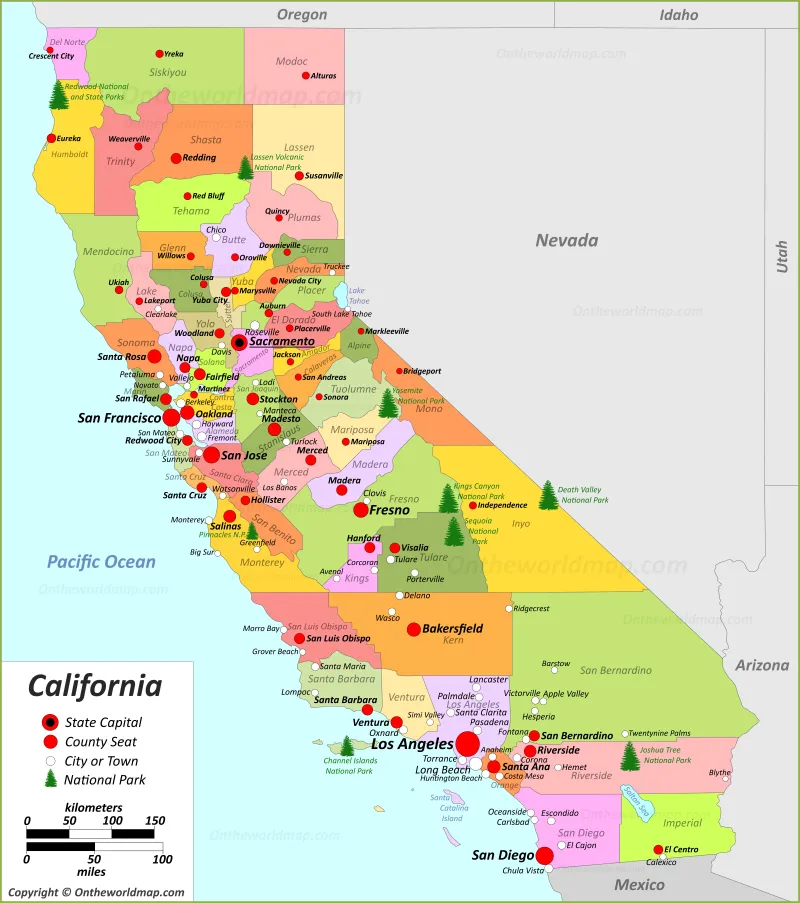
Santa Maria sits at a geographic sweet spot that most business owners in other parts of the country would envy. Nestled in the Santa Maria Valley, the area is within striking distance of Los Angeles, the Bay Area, and the Central Coast — three of California's most economically active regions. That alone makes logistics easier. But the real advantage runs deeper than highway access.
The Valley's Hidden Supply Chain Secret
Santa Maria's agricultural heritage isn't just a point of local pride — it's a logistical asset that savvy business owners are actively monetizing. The region produces strawberries, wine grapes, broccoli, and a range of specialty crops that flow through distribution networks reaching far beyond the Central Coast. For businesses that know how to tap in, that infrastructure represents something Amazon simply can't fake: genuine regional sourcing.
Take the example of a local specialty food retailer who started sourcing directly from growers in the Guadalupe area. Rather than competing on price with national online sellers, the shop repositioned itself as a curator of Valley-grown products — building a customer base that comes back not just for the goods, but for the story behind them. That kind of provenance is a powerful differentiator, and it doesn't require a nine-figure logistics budget to pull off.
"People want to know where their food comes from," said one Santa Maria-based business owner who asked to be identified only by first name. "When I can tell a customer that the strawberries in this jam were picked twelve miles away three days ago, that's not something a fulfillment center in Phoenix can compete with."
Partnerships That Make the Difference
One of the more interesting trends taking shape locally is the rise of informal but highly effective business-to-business partnerships between retailers, restaurants, food producers, and agricultural operations. These arrangements — sometimes as simple as a handshake deal between a restaurant owner and a nearby farm — create supply chains that are both resilient and authentic.
A handful of Santa Maria restaurants have built their brand identity almost entirely around hyper-local sourcing, and the payoff shows up in customer loyalty metrics that would make a marketing consultant smile. When diners feel connected to the origins of a meal, they tend to come back. And they tend to talk about it.
Beyond food and hospitality, the model is spreading. A local hardware and home goods retailer, for example, partnered with a regional woodworker to stock a line of handcrafted items that simply aren't available anywhere online. "We stopped trying to stock what big-box stores carry," the owner explained. "We started stocking what they can't."
That pivot — from volume competition to differentiation — is showing up across categories. It's not a new business concept, but Santa Maria's geography and producer network make it unusually executable here.
Proximity to Market Is a Real Advantage
It's worth spelling out just how valuable Santa Maria's central location actually is from a pure logistics standpoint. Businesses here can reach Los Angeles in roughly two and a half hours. San Francisco is about four and a half. The Port of San Luis Obispo and the broader Central Coast tourism economy are practically neighbors.
For businesses that sell regionally — or that source regionally — this means lower freight costs, faster turnaround times, and the ability to respond to demand shifts more nimbly than a national distributor ever could. A Santa Maria-based specialty food producer, for instance, can get product to an LA farmers market or a Bay Area specialty grocer faster and cheaper than a competitor shipping from out of state.
That responsiveness matters more than it used to. Post-pandemic, supply chain disruptions reminded a lot of consumers and buyers that long, complex supply chains carry real risk. The appeal of working with a nearby, reliable supplier — one you can actually call and visit — has genuinely increased.
Building Customer Loyalty Through Local Identity
Here's the thing about competing with e-commerce giants: you can't win on their terms. No local business is going to out-Amazon Amazon. But the businesses thriving in Santa Maria right now aren't trying to. They're competing on relationship, story, and the kind of quality assurance that only comes from knowing your supplier by name.
The Chamber's conversations with local business owners reveal a consistent theme: customers who understand the local sourcing story become advocates, not just repeat buyers. They post on social media. They bring friends. They leave reviews that talk about the experience, not just the product.
That kind of loyalty is worth a lot — and it's something an algorithm can't manufacture.
For Santa Maria businesses willing to lean into what makes this Valley genuinely distinctive, the competitive picture looks less daunting than the headlines suggest. The supply chain advantage is real. The question is whether more local entrepreneurs will recognize it and run with it.
If the businesses already doing it are any indication, the answer is yes.